Yep Search Engine: Privacy & 90/10 Revenue Share Model
Yep is Ahrefs privacy search engine with 90/10 revenue sharing for creators. No tracking, independent index, fair compensation model.
Yep is a privacy-focused search engine launched by Ahrefs in 2022. Known for its comprehensive SEO tools, Ahrefs decided to build its own search engine using an independent web crawler and index. What sets Yep apart from other search engines is its unique 90/10 revenue-sharing model. This means 90% of ad revenue goes directly to content creators, while Yep retains only 10%. The search engine prioritizes user privacy by not tracking searches or storing personal data. For businesses and content creators weary of big tech’s dominance, Yep offers a strong alternative. It targets those who value privacy and support a fairer web ecosystem.
What is Yep Search Engine
Yep Search Engine Architecture:
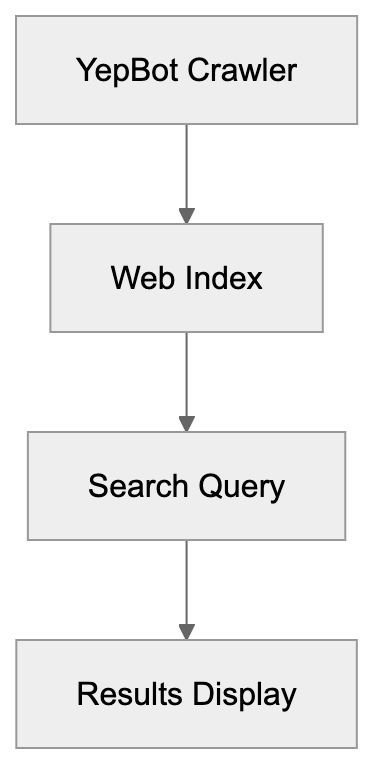
Yep is a web search engine developed by Ahrefs. Initially an SEO toolset provider, the company expanded into search in 2022. Unlike most search engines relying on third-party indexes like Google or Bing, Yep uses its independent web crawler, YepBot. Active since 2017, YepBot powers Yep’s results by indexing billions of web pages. It displays standard web results, images, videos, and news. Behind the scenes, the revenue model and privacy approach make it unique. Ahrefs has invested heavily in technology and infrastructure to achieve this.
Why Yep Exists and Its Core Purpose
Yep Revenue Distribution Model:
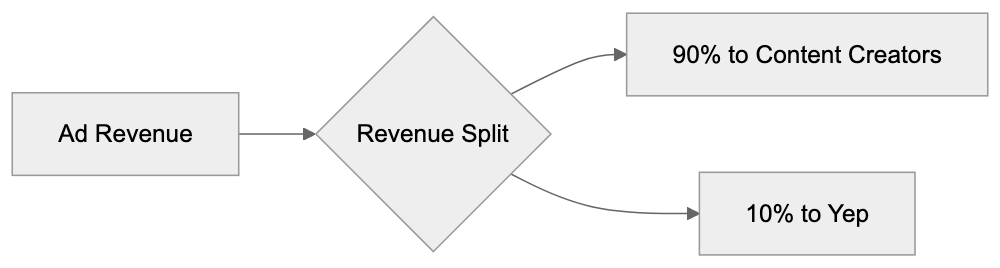
The search engine market is dominated by a few big players, led by Google with over 90% global search traffic. Ahrefs views this as unfair since content creators get little compensation for their work. Yep’s 90/10 revenue split aims to rectify this, providing fair compensation to content creators whenever their web pages appear in search results with ads. Privacy is another pillar. Unlike most search engines, Yep doesn’t track user behavior to build advertising profiles.
How Users and Content Creators Use Yep
For users, Yep functions like any other search engine. Visit yep.com, type in a query, and browse results. Notably, it requires no account or login. Users choose Yep for its privacy features, searching without tracking by advertising networks. Others are drawn to its revenue-sharing model. Content creators can earn revenue if their site ranks in Yep results with ads. Verification through Ahrefs Webmaster Tools is necessary to receive payments, offering a new income stream even if currently modest.
Key Facts About Yep Search Engine
- Launch: Publicly launched in June 2022.
- Technology: Uses the YepBot crawler, active since 2017.
- Index Scale: Crawls over 8 billion pages daily, making it one of the few truly independent search indexes globally.
- Revenue Model: Legally binding 90/10 revenue split.
- Privacy: No IP address logging, no search history storage, and no tracking cookies.
- Ads and Revenue: Shows ads through partnerships; revenue distribution is monthly to verified content creators.
Comparison with Alternative Privacy Search Engines
Several search engines position themselves as privacy alternatives. Here’s how Yep compares:
| Search Engine | Independent Index | Revenue Model | Privacy Features | Creator Payments |
|---|---|---|---|---|
| Yep | Yes, own crawler | 90% to creators, 10% retained | No tracking, no logs | Yes, 90% of ad revenue |
| DuckDuckGo | No, uses Bing + others | Traditional ads, 100% retained | No tracking, no logs | No |
| Brave Search | Yes, own index | Ad share with browser users | No tracking, no logs | No direct payment |
| Startpage | No, uses Google | Traditional ads, 100% retained | No tracking, proxy results | No |
| Ecosia | No, uses Bing | Profits fund tree planting | Minimal tracking | No, funds projects |
Yep’s Market Position and Future Outlook
Yep holds a unique position in the search market as one of the few engines with an independent index. Building this required massive infrastructure investment, and its 90/10 revenue-sharing model is unprecedented. Challenges include user habits tied to major players like Google and the need for high search quality. While Yep’s success depends on growing users, improving search quality, and building creator awareness, Ahrefs’ resources provide long-term stability.
Technical Implementation and Infrastructure
Ahrefs operates one of the largest web crawlers outside major engines. YepBot visits billions of pages daily, requiring enormous storage and complex ranking algorithms. Ads need relevance without compromising privacy, while the financial infrastructure ensures reliable revenue distribution to content creators. No tracking further ensures user privacy.
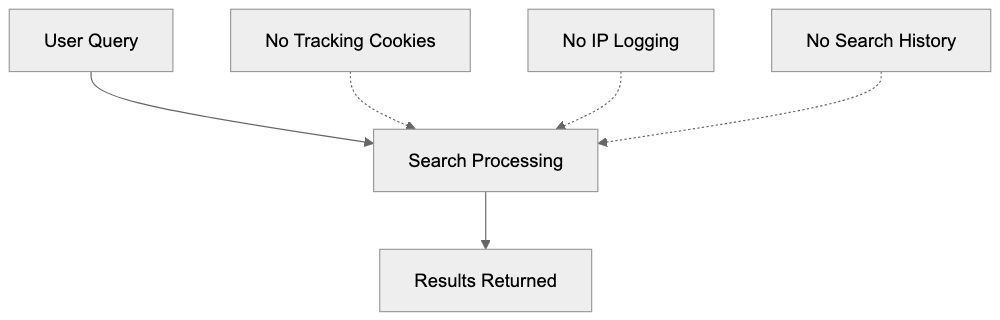
Yep Privacy Architecture:
Privacy Technical Details
Yep’s privacy features include no use of tracking cookies and no storing of IP addresses or search history. Queries aren’t tied to user identifiers, and analytics are aggregated without individual focus. The privacy policy commits to straightforward language, with no external tracking scripts on its pages.
Content Creator Revenue Mechanics
The 90/10 split means ads must appear and be clicked for revenue. The revenue gets distributed among creators whose results feature with ads. Verification through Ahrefs Webmaster Tools is required for eligibility. While currently a modest income stream, this might grow with market share.
Challenges and Limitations
Yep’s challenges include acquiring market share and perfecting search quality. Users are used to existing engines with intentional switching being rare. Monetization while maintaining privacy is difficult, potentially leading to lower ad revenue per search. Brand awareness is also limited, and regulatory complexities add additional hurdles.
Use Cases and Best Practices
Yep serves privacy-conscious users wanting no tracking and content creators seeking additional revenue streams. SEO professionals can use it for diverse algorithmic insights. Developers might integrate Yep for privacy-focused projects. For effective use, clear and descriptive queries are advised. Browser integration may vary, with no dedicated mobile app available.
Yep is ambitiously reshaping search engine norms through privacy and revenue sharing. Its no-tracking approach and 90/10 revenue model offer a compelling alternative for privacy-conscious users and content creators. Despite challenges, Ahrefs’ infrastructure and commitment provide a solid foundation for Yep’s growth and innovation.
Frequently Asked Questions
How does Yep ensure user privacy?
Yep prioritizes user privacy by not tracking searches or storing any personal data. It does not use tracking cookies or log IP addresses, ensuring that queries are not tied to user identifiers.
What steps do content creators need to take to earn revenue from Yep?
Content creators need to verify their sites using Ahrefs Webmaster Tools to be eligible for revenue sharing. They earn 90% of the ad revenue generated when their web pages appear in Yep search results with ads.
How does the revenue-sharing model of Yep work?
Yep operates on a 90/10 revenue-sharing model, where 90% of ad revenue is distributed to content creators and Yep retains 10%. This unique model aims to provide fair compensation to creators for their work.
Can users access Yep without creating an account?
Yes, users can access Yep without the need for an account or login. This accessibility is part of its appeal to individuals seeking privacy while browsing.
What are the challenges Yep faces in gaining market share?
Yep's main challenges include competing with established search engines like Google, altering user habits, and ensuring high search quality. Additionally, building brand awareness and addressing regulatory complexities pose significant hurdles.
Is there a mobile app for Yep?
No, currently Yep does not have a dedicated mobile app. However, users can access the search engine easily through mobile browsers on their devices.
How often does Yep distribute revenue to content creators?
Revenue is distributed monthly to verified content creators whose web pages feature ads in Yep search results. This regular payment schedule helps creators manage earnings effectively.
Track Your AI Visibility
See how AI chatbots like ChatGPT, Claude, and Perplexity discover and recommend your brand.