Naver Cue: Korean AI Search Powered by HyperCLOVA X
Deep dive into Naver Cue AI search tool, HyperCLOVA X language model capabilities, and how it competes with Google in South Korea's search market.
What is Naver Cue
Naver Cue, launched in 2023, is Naver’s AI-driven response to tools like ChatGPT and Google’s AI search features. Integrating directly into Naver’s search engine, it employs HyperCLOVA X as its language model. Unlike standalone chatbots, Naver Cue functions within the familiar search interface known to Korean users. Queries in Naver search yield AI-generated answers alongside traditional results, handling follow-up questions while maintaining context. Tailored for Korean language and culture, it surpasses global AI tools by connecting to Naver’s comprehensive database of Korean news, blogs, forums, and more.
Understanding HyperCLOVA X Language Model
HyperCLOVA X, Naver’s proprietary large language model, builds on the 2021 release of HyperCLOVA. Despite the unverified parameter count of 204 billion, HyperCLOVA X enhances capabilities, primarily trained on Korean language data. This training includes Korean websites, literature, news articles, and user-generated content, enabling better comprehension of cultural context, idioms, and expressions compared to general-purpose models. While capable in multiple languages, it excels with Korean text, achieving superior results on Korean benchmarks. HyperCLOVA X powers not just Naver Cue but also supports other Naver AI services like content moderation, translation, and creative writing tools.
Naver’s Market Position in South Korea
Naver dominates South Korea’s search market with over 50% market share, while Google Korea holds about 30%. This contrasts with most global markets where Google leads. Naver’s success is rooted in its integration with Korean internet culture and services that extend beyond search, including email, news, shopping, and more. Korean users often choose Naver for online activities over Google. Strong ties with local content creators and businesses bolster Naver’s position, generating significant advertising revenue. This unique advantage aids Naver in developing AI search tools, supported by extensive Korean user data and a deeper understanding of regulatory requirements.
AI-Powered Search Evolution:

How Naver Uses HyperCLOVA X in Cue
HyperCLOVA X elevates Naver Cue’s search result quality. It processes user queries to discern intent and context, generating natural language responses from Naver’s content database. Merging language model capabilities with search indexing technology, Cue offers both AI-generated and link-based results. The model aids in understanding queries, producing answers, and managing follow-up questions. Safety filters and fact-checking mechanisms minimize errors, citing sources from Naver’s database for verification. Continuous data updates and user feedback refine the model’s performance.
Key Features and Capabilities of Naver Cue
Naver Cue is tailored for Korean users with features like conversational search, allowing easy follow-up questions. Context is preserved across multiple queries. Its strengths lie in understanding Korean language, covering formal and informal speech, dialects, and cultural references. Integration with Naver’s knowledge graph provides localized information on Korean locations, people, and cultural items. Real-time information access keeps it abreast of current events and trends. It summarizes long articles into concise answers and links recommendations to Naver Shopping. Local business information from Naver Maps enhances relevant responses. The platform supports text and voice input, optimized for smartphone use, with citation features enabling information verification.
Comparing Naver Cue with Google Korea
Naver Cue directly competes with Google’s AI search features in South Korea. While Google offers global AI-powered search, it struggles with the Korean market’s language quality demands, where Naver Cue excels in nuances. Naver accesses exclusive Korean content that Google can’t index effectively. While Google offers broader international content, Korean users trust Naver more for local information. Naver’s ecosystem integration surpasses Google Search in Korea, offering a cohesive platform experience. Privacy concerns highlight Naver’s local presence, easing user worries about data leaving Korea.
Regional AI Search Competition and Market Dynamics
South Korea’s unique market dynamics shape the AI search competition, influenced by high smartphone penetration that emphasizes mobile-first design and fast internet infrastructure supporting rich media and AI interaction. Naver capitalizes on Korean internet culture through its Cafe and blog platforms, while local competitors like Kakao and Samsung also invest in AI. The regulatory landscape, focused on AI safety and data privacy, favors companies familiar with local requirements. This drives innovation in Korean language AI capabilities.
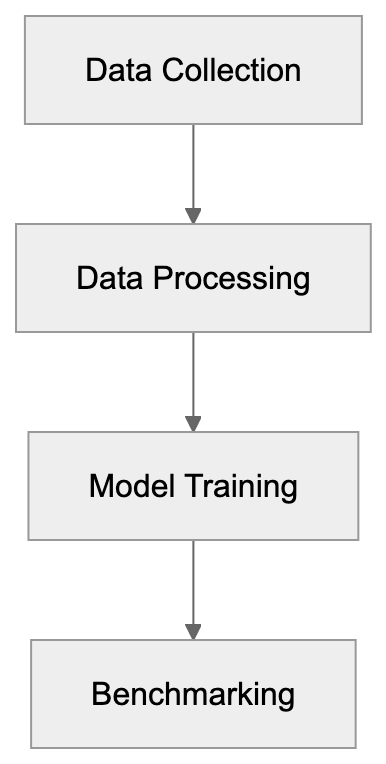
HyperCLOVA X Training Overview:
Technical Workflow and User Experience
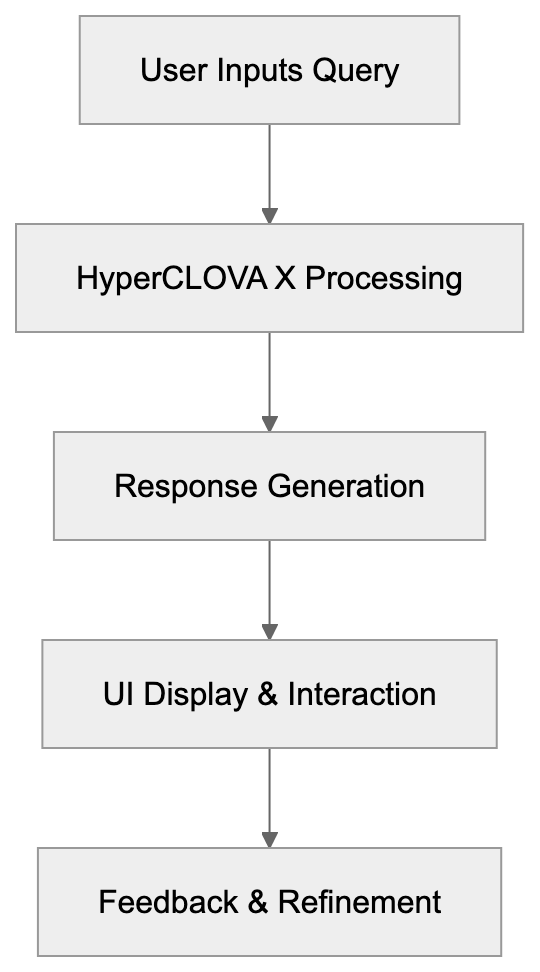
Naver Cue’s workflow begins with user queries in Naver search. For suitable queries, HyperCLOVA X processes and generates responses, accessing Naver’s content database. Safety filters ensure accuracy and appropriateness, with responses displayed alongside traditional links. Users interact with AI-generated content and can verify sources, feeding back into the system for improvements. The mobile experience is optimized for touch interaction, with voice queries transcribed similarly. Regular updates and analytics enhance model performance and user satisfaction.
Privacy and Data Considerations
Naver Cue collects query and interaction data, aligned with Korean privacy laws requiring user notification. Users can control data usage via privacy settings, though default settings allow data collection for AI training. Query history aids personalized results but creates a data trail, removable through account settings. Data remains primarily in South Korea, aligning with user preferences over foreign data handling. Companies using Naver Cue must consider privacy in work-related queries, balancing personal AI responses with privacy concerns.
Conclusion
Naver Cue marks South Korea’s significant entry into AI search technology. Utilizing HyperCLOVA X, it offers AI capabilities optimized for Korean language and culture. Naver’s strong market position provides unique advantages, focusing on Korean language excellence over global reach. The service competes with Google’s AI search by emphasizing local content and integration with Naver’s ecosystem. This highlights how regional players can effectively compete in AI by focusing on local languages and cultural contexts. As AI search evolves, Naver Cue will likely influence Korean user interaction with online information, driving innovation in Korean language AI technologies.
Naver Cue User Workflow:
Frequently Asked Questions
What are the main advantages of using Naver Cue over traditional search engines?
Naver Cue provides conversational and context-aware results, delivering more comprehensive answers to complex queries. It is specifically optimized for the Korean language and incorporates localized content, making it more effective for Korean users compared to global search engines like Google.
How does HyperCLOVA X enhance the performance of Naver Cue?
HyperCLOVA X improves Naver Cue's ability to understand user intent and context, yielding more accurate and relevant responses. Its training on diverse Korean content allows it to comprehend cultural nuances and phrases better than other AI models.
What measures does Naver Cue take to ensure user privacy?
Naver Cue adheres to Korean privacy laws by notifying users about data collection and providing options to control their privacy settings. Users can manage their query history and data usage, with the default settings allowing data collection solely for improving AI performance.
Can I use Naver Cue for business-related queries?
Yes, you can use Naver Cue for business-related searches, but it is essential to be aware of your privacy settings. Companies might need to consider the implications of data collection when using the AI for professional queries.
How is Naver Cue different from Google in terms of local content?
Naver Cue excels in accessing and indexing exclusive Korean content, which Google may struggle with due to language subtleties. As a result, Korean users often find Naver more reliable for local information and services.
Is Naver Cue available for non-Korean speakers?
While Naver Cue primarily caters to Korean-speaking users, it is capable of processing queries in other languages. However, its performance and contextual understanding may not match that of native Korean queries.
What are the future implications of Naver Cue for AI technology in Korea?
Naver Cue sets a precedent for the development of AI tools tailored to local languages and cultures, promoting innovation within the Korean tech landscape. Its success could inspire further advancements in AI search technology and regional AI development strategies.
Track Your AI Visibility
See how AI chatbots like ChatGPT, Claude, and Perplexity discover and recommend your brand.