Lexis+ AI Legal Research Platform Complete Guide
Comprehensive guide to Lexis+ AI legal research tool. Learn about its 83M+ document database, hallucination safeguards, and how it compares to competitors.
What is Lexis+ AI
Lexis+ AI is an AI-enhanced legal research platform developed by LexisNexis, under the ownership of RELX Group. Launched as part of LexisNexis’s broader Lexis+ suite of legal tools, it uses natural language processing to allow users to ask legal questions in plain English rather than traditional Boolean search operators. The system searches its database and provides answers with direct links to source documents. LexisNexis, in the legal information business since 1973, has built Lexis+ AI on decades of legal database development. The AI component was added to modernize the research process and compete with newer AI-first legal research startups. The platform is designed for lawyers, paralegals, legal researchers, and law firms needing quick access to verified legal information.
The 83 Million Document Database
Lexis+ AI provides access to over 83 million documents in its legal database. This collection includes federal and state case law, statutes, regulations, legal journals, practice guides, and secondary sources. The database covers court decisions from all 50 states plus federal courts at every level. It also includes historical cases from hundreds of years back in some jurisdictions. The vastness of this database is a major advantage. Smaller legal AI tools often rely on limited datasets or only public domain sources. LexisNexis has built this collection through decades of partnerships with courts, government agencies, and legal publishers. Documents are continuously updated with new cases and regulations. Thus, users access recent legal developments alongside historical precedents. The database also includes international legal materials for firms handling cross-border matters.
How Lexis+ AI Works
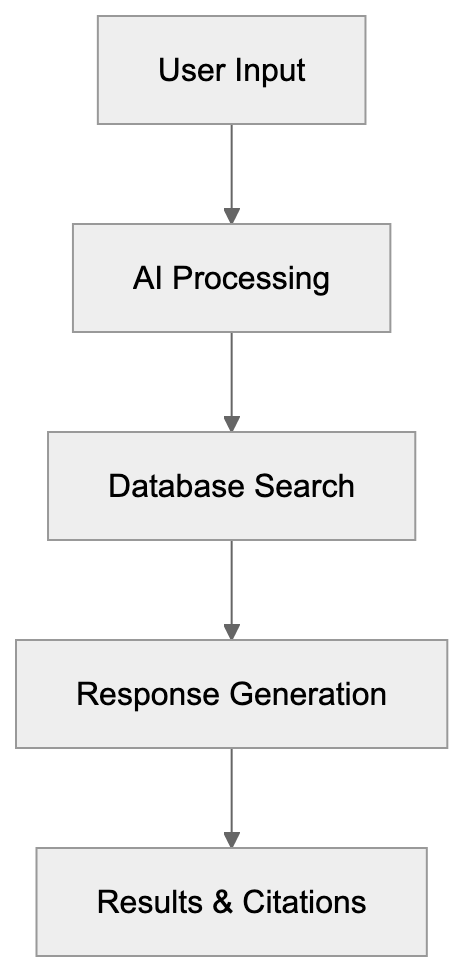
The workflow begins when a user types a legal question in natural language. Instead of crafting complex search strings, you can ask something like, “What are the requirements for summary judgment in California?” The AI processes this question, identifies key legal concepts, and searches the database for relevant documents. It generates a response summarizing the law and includes citations to specific cases, statutes, or other sources. Each citation is clickable, leading directly to the full text of that document. Unlike traditional keyword searches that list potentially relevant documents, requiring you to read through each one to find an answer, the AI aims to understand the legal issue and provide a direct answer. The system also learns from user interaction with results to improve future responses. Legal professionals typically use this in the early research phase to quickly understand an area of law before delving deeper into specific sources.
Hallucination Protection Through Citations
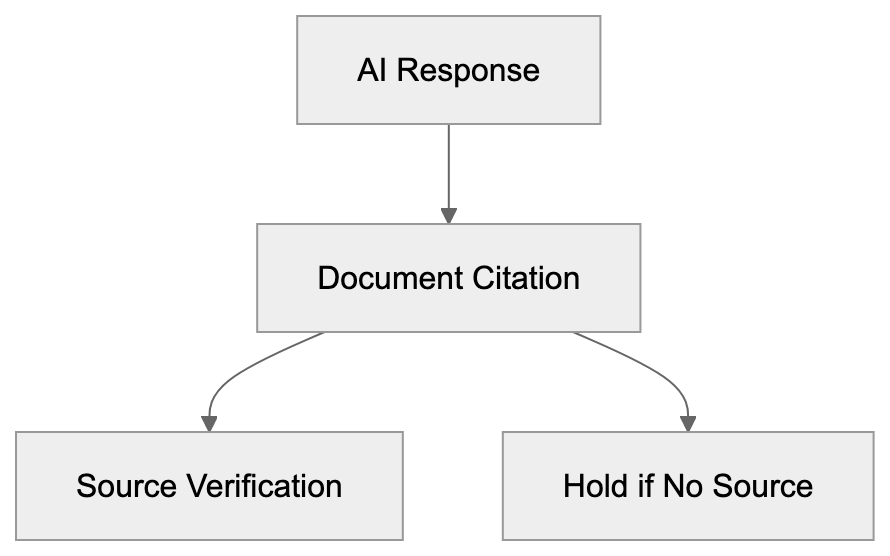
A significant concern with AI systems is hallucination, where the AI generates false or fictional information. This is particularly dangerous in legal research, as citing a non-existent case can have serious professional consequences. Lexis+ AI tackles this issue by requiring all statements in its responses to link back to actual documents in the database. The system cannot generate an answer without citing a source. If the AI cannot find supporting documentation for a point, it excludes that point from the response. Users can click on any citation to verify the AI’s interpretation by reading the source material directly. This linking system acts as a verification layer. While it does not completely eliminate the risk of misinterpretation, it provides users with a clear path to check the AI’s work. The citations also aid legal professionals in building their research trail for court filings or client memos. This protection mechanism sets Lexis+ AI apart from general-purpose AI chatbots, which may confidently state incorrect legal principles.
Comparing Lexis+ AI to Casetext
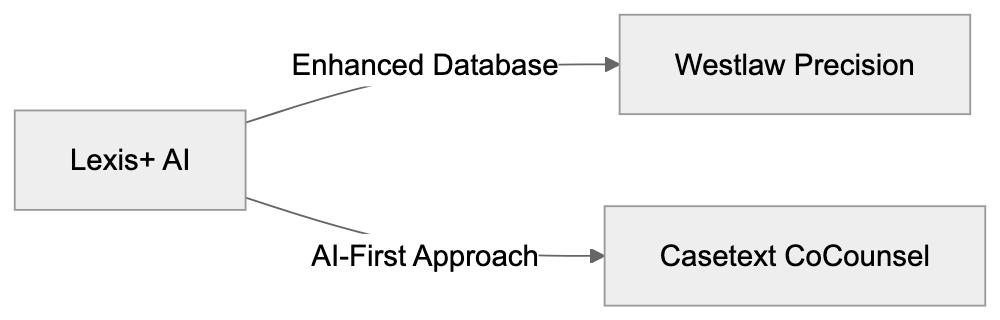
Casetext is a major competitor offering an AI legal research tool called CoCounsel. Thomson Reuters acquired Casetext in 2023 for $650 million, signaling strong market validation for AI legal research. CoCounsel is powered by GPT-4 technology from OpenAI, focusing heavily on document review and brief generation, in addition to research. Both platforms provide conversational AI interfaces for legal research. However, Casetext built its product as AI-first from the beginning, while LexisNexis added AI to its existing database infrastructure. Casetext’s database is smaller than LexisNexis but still covers primary legal sources comprehensively. CoCounsel is often praised for its document review capabilities, which can analyze contracts or discovery materials. Lexis+ AI boasts deeper integration with the broader LexisNexis ecosystem, including practice area-specific tools and content. Pricing differs significantly. Casetext is generally more accessible to smaller firms and solo practitioners compared to LexisNexis’s enterprise focus.
Comparing Lexis+ AI to Westlaw
Westlaw is another major legal research platform and LexisNexis’s traditional competitor. Owned by Thomson Reuters, it introduced AI features called Westlaw Precision. The competition between these platforms has existed for decades, continuing with their AI enhancements. Westlaw also hosts a large legal database comparable in size to LexisNexis, though exact document counts vary by jurisdiction and content type. Both platforms offer conversational AI search alongside traditional search tools. Westlaw Precision utilizes AI for quick answers with citations similar to Lexis+ AI’s approach. Key differences lie in database organization, user interface preferences, and existing relationships. Many large law firms have used one platform or the other for years, making switching costly. Westlaw emphasizes its KeyCite citator system and editorial enhancements, while LexisNexis focuses on its Shepard’s Citations. Both platforms protect against hallucinations with citation requirements. The practical choice often depends on which platform a firm already subscribes to and the specific practice areas needing coverage.
Enterprise Pricing and Access Model
Lexis+ AI is not available as a standalone consumer product. It is part of the Lexis+ subscription platform, using enterprise pricing. Law firms and legal departments negotiate contracts based on the number of users, features needed, and usage levels. Pricing is not publicly disclosed and varies significantly based on firm size and subscription package. Smaller firms might pay several hundred dollars per user per month, while large firms negotiate custom enterprise agreements. This pricing model is standard in the legal research industry, with LexisNexis and Westlaw operating this way for decades. The high cost reflects the value of comprehensive legal databases, continuous updates, and the liability concerns around legal research accuracy. Many law firms consider these platforms essential infrastructure, akin to practice management software. The enterprise model also includes customer support, training for attorneys and staff, and integration with other legal technology tools. Some smaller competitors offer more transparent and lower pricing to attract solo practitioners and small firms who find enterprise pricing challenging to manage.
Why Legal AI Research Tools Matter
Legal research is one of the most time-consuming aspects of legal practice. Attorneys can spend hours searching for relevant cases or trying to understand how courts have interpreted specific legal issues. This research time gets billed to clients or reduces profitability for firms working on fixed fees. AI legal tools promise to compress this timeline from hours to minutes for many routine research questions. This efficiency gain allows lawyers to spend more time on analysis, strategy, and client communication rather than document hunting. The tools also help level the playing field for less experienced attorneys, providing quick answers to foundational questions. However, these tools do not replace legal judgment. The AI provides information and sources, but lawyers must still analyze whether those sources apply to their specific situation. Understanding legal research AI helps legal professionals evaluate whether these tools fit their practice needs, justify subscription costs, and understand the limitations and risks of relying on AI-generated legal research.
Lexis+ AI Workflow Overview:
Conclusion
Lexis+ AI represents LexisNexis’s evolution into AI-powered legal research. The platform combines a database of over 83 million legal documents with conversational AI to help legal professionals find relevant information faster. Its hallucination protection through required citations addresses one of the biggest concerns with AI in legal contexts. The platform competes directly with Westlaw Precision and Casetext’s CoCounsel in the legal research space. Each platform has strengths. LexisNexis offers deep database coverage and integration with its broader legal research ecosystem. The enterprise pricing model means this tool is primarily accessible to law firms and legal departments, rather than individual consumers. As technology improves, these platforms will likely become standard tools in legal practice. They will change how attorneys conduct research and build legal arguments. Understanding how these tools work and their limitations is important for anyone in the legal field considering adoption.
Lexis+ AI vs Competitors:
Lexis+ AI Hallucination Protection:
Frequently Asked Questions
What types of documents can I access with Lexis+ AI?
Lexis+ AI provides access to over 83 million legal documents, including federal and state case law, statutes, regulations, legal journals, and secondary sources. This vast collection also encompasses historical cases and international legal materials, making it suitable for various legal research needs.
How does Lexis+ AI ensure the accuracy of its information?
Lexis+ AI requires all its responses to include clickable citations to actual documents within its database. This citation system acts as a verification layer, allowing users to confirm the accuracy of the information provided by reviewing the original sources directly.
Can I use Lexis+ AI for specific legal queries in plain language?
Yes, Lexis+ AI is designed to process legal questions posed in plain English. Users can ask specific inquiries, and the AI will identify relevant legal concepts, providing concise and direct answers drawn from its extensive database.
What distinguishes Lexis+ AI from other legal research platforms like Westlaw?
While both Lexis+ AI and Westlaw provide large legal databases and AI capabilities, Lexis+ AI emphasizes integration within the broader LexisNexis ecosystem and its unique citation verification process. Each platform has different strengths, including user interface and database organization preferences.
Is Lexis+ AI accessible to solo practitioners and small firms?
Lexis+ AI uses an enterprise pricing model, making it primarily available to law firms and legal departments rather than individual consumers. Smaller firms may find the pricing structure challenging compared to other legal research tools that cater to solo practitioners.
How does Lexis+ AI help with the efficiency of legal research?
Lexis+ AI can significantly reduce the time spent on legal research by allowing users to obtain answers to routine queries in minutes instead of hours. This efficiency enables legal professionals to focus more on strategy and client communication instead of manual document searches.
What should legal professionals know about the limitations of Lexis+ AI?
While Lexis+ AI provides valuable information and sources, legal professionals must apply their judgment to interpret the results. The AI tools do not replace the necessity for human analysis or the understanding of specific legal contexts.
Track Your AI Visibility
See how AI chatbots like ChatGPT, Claude, and Perplexity discover and recommend your brand.